The AI Photography Paradox
The AI Photography paradox put simply is that nobody asked for it but everyone is paying for it!
There hasn’t been a subject that has divided the photography community to such an extent since Photoshop. I have next to zero experience of generative AI. I use the healing tool in Photoshop from time to time to remove distracting elements and I use DxO’s noise reduction tooling, but apart from a Quick Look at Mindjourney, Stable Diffusion and Dall-e around three years ago that’s it. If I was intrigued then, it seemed to have a long way to go. The technical elements such as AI assisted selection and noise reduction I like. But AI replacement? I’ve instinctively been opposed to it. This past few days though the pot has been well and truly stirred.
Creative Partnership or Corporate Burden?
I’m sure nobody has missed the uproar that greeted photographer Daniel Kordan’s pronouncement on AI yesterday. For those who did miss it, Daniel posted a message on Threads appearing to endorse the use of AI by photographers, using his own images as examples.Presumably he was paid by Higgsfield but it seems to have backfired on him spectacularly.
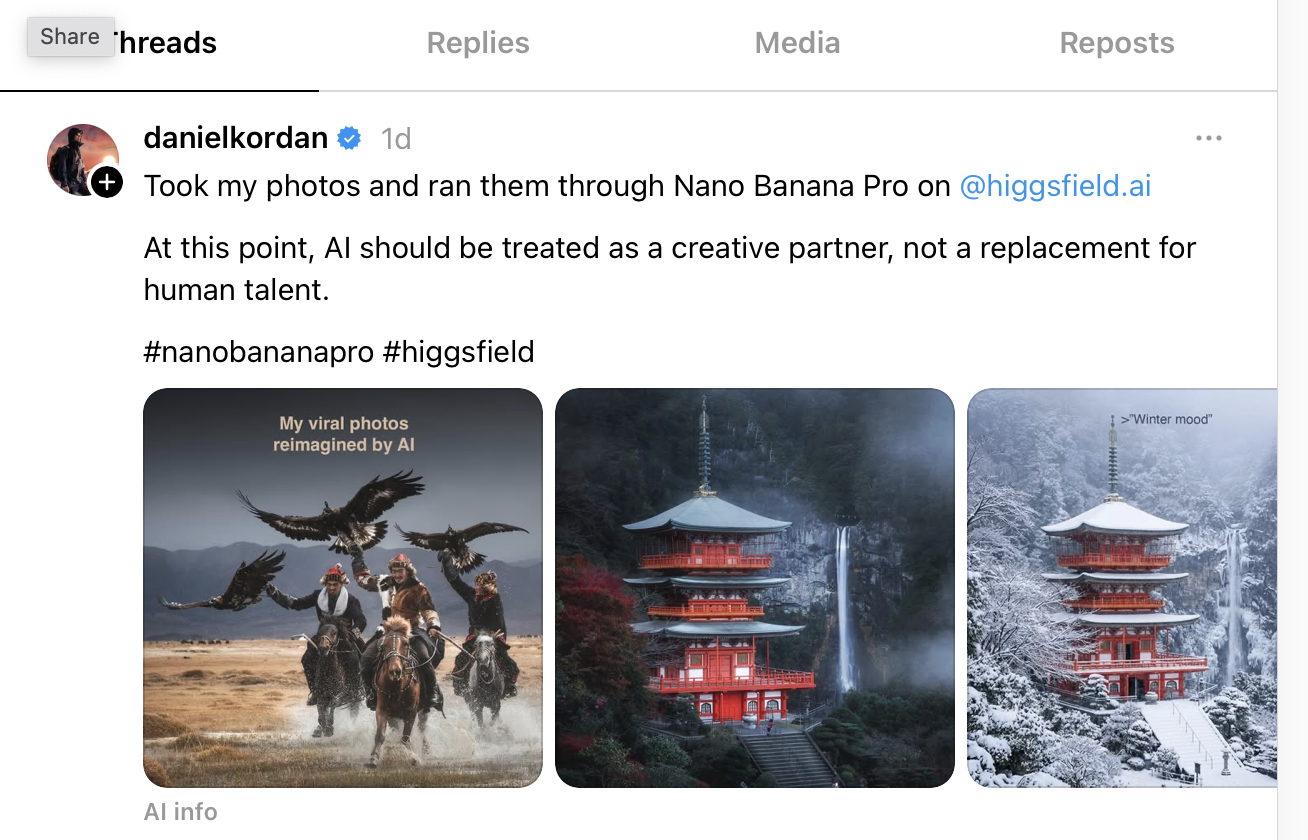
The response was not what he probably hoped for – a poor choice of words in the post invites trouble from the off, it might be wishful thinking on the part of whoever paid the bill, but the notion that photographers should embrace generative AI on their “viral” images as he illustrates has gone down like a bucket of cold sick.
I’ve always liked Daniel Kordan’s photography, he appears to be technically sound, he gets to great locations and is making a living doing something he loves. More power to him. Isn’t that what we all aspire to? That being said this was a spectacular own goal. Reading the comments (now closed) he’s undermined his own credibility in many people’s eyes as a serious photographer.
I thought that rather than joining the lynch mob, I’d try to unpack what is going on here, why the post provoked the reaction it did, why I feel very disappointed and what is the paradox at the heart of AI assisted photography.
TLDR
Adobe have put their prices up by 30% this year, it is assumed that is to help pay for the development of their Firefly AI. We all have to pay for this even though some of us are not using it. None of us asked for it. So there is some suspicion of AI and the demands it makes of our wallets.
The reason I feel disappointed is that I consider photography to be a craft and invoking a totally different look to an image with a two word prompt cannot by any stretch of the imagination be described as art or craft. I feel disappointed by Daniel Kordan because I assumed that he, like me, was editing his own photographs without the help of AI. Now I’m unsure.
The anger expressed in the comments is very real. People are polarised about this. So attempting to recast AI as a creative partnership doesn’t wash. It’s not creative, it is computer generated images that take seconds to be generated. And it is built on the hard work of real photographers images, used without permission or payment.
Video
Creative Partnership
The issue here is that AI has become alarmingly good at what it does. Trained on millions of photographs (none of them acknowledged or paid for), the supercomputers behind these transformations have mastered light and nuance to an extent that many photographers can only aspire to. This is inevitably going to have a real effect on some photographers’ income.
Put yourself in the shoes of a middle manager in charge of marketing for a hotel chain. Would you pay a photographer a fee + expenses to go and shoot a new location or would you conjure up a picture with Nano Banana yourself in a few minutes?
And this points to another thing that doesn’t sit well. AI is being developed in the corporate sector. There are no safety rails, no oversight. The tech bros that head up the companies at the forefront of the sector have lined up to a man behind Donald Trump’s racist, authoritarian, business led vision of America. When we think of all the good that AI could do, in medicine for example, where is it? Nowhere to be seen, AI is a for profit enterprise. These people are not capable of thinking outside of that box. Why cure Cancer when you can charge everybody for making instagram pictures?
I didn’t want to get into a critique without running some tests and my findings were interesting.
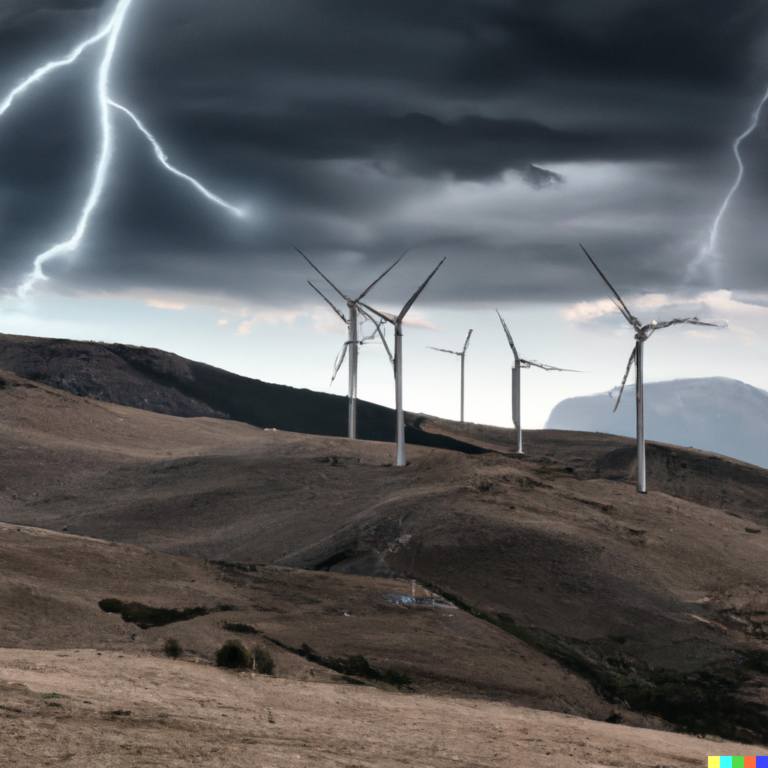
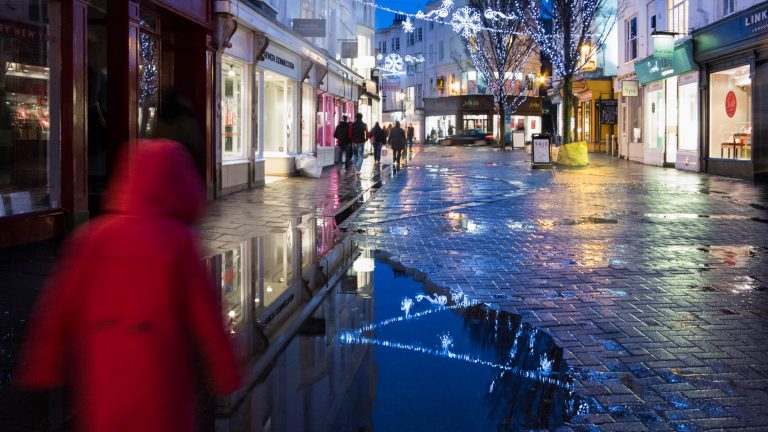
Here is an AI image I experimented with three years ago.
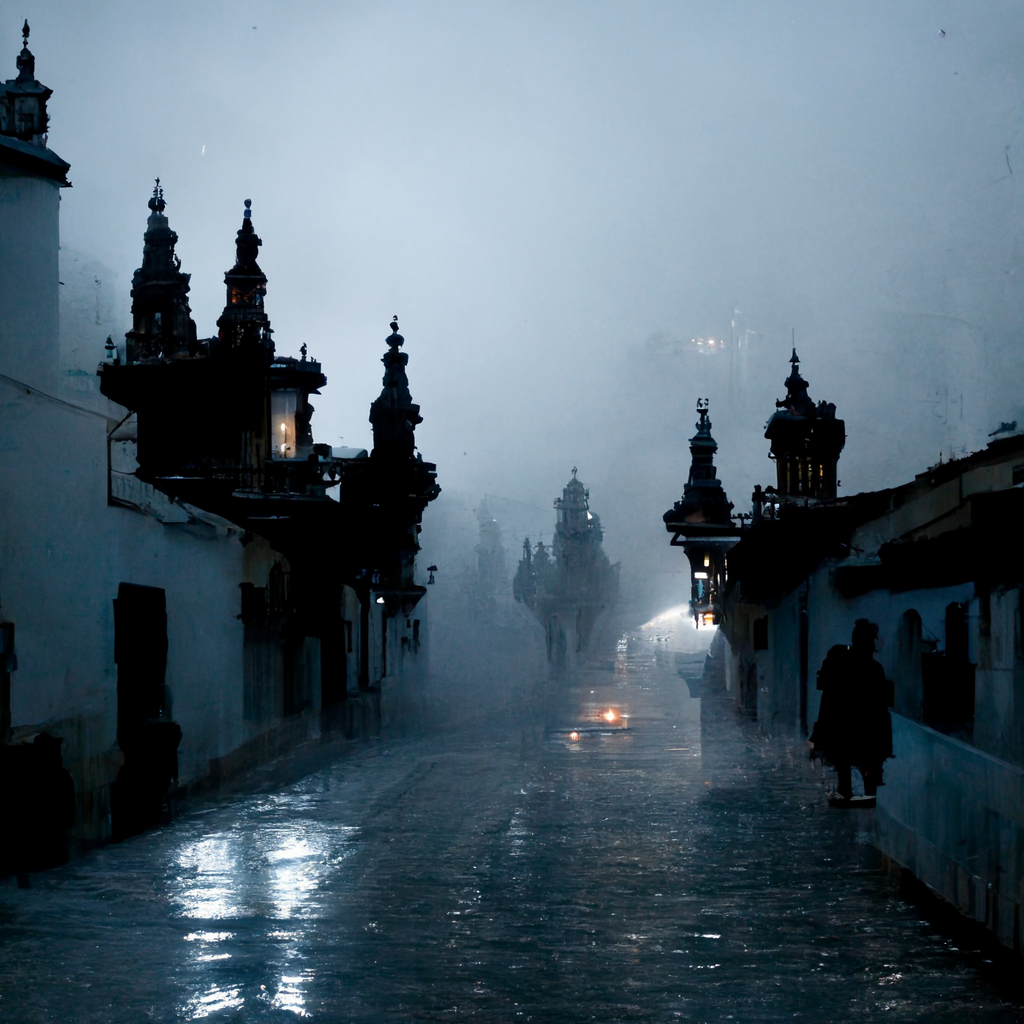
It’s atmospheric and you can see potential, but it’s never going to be mistaken for an actual photograph.
Here is a real picture I shot of a house on the edge of the Rio Durcal Gorge this summer.
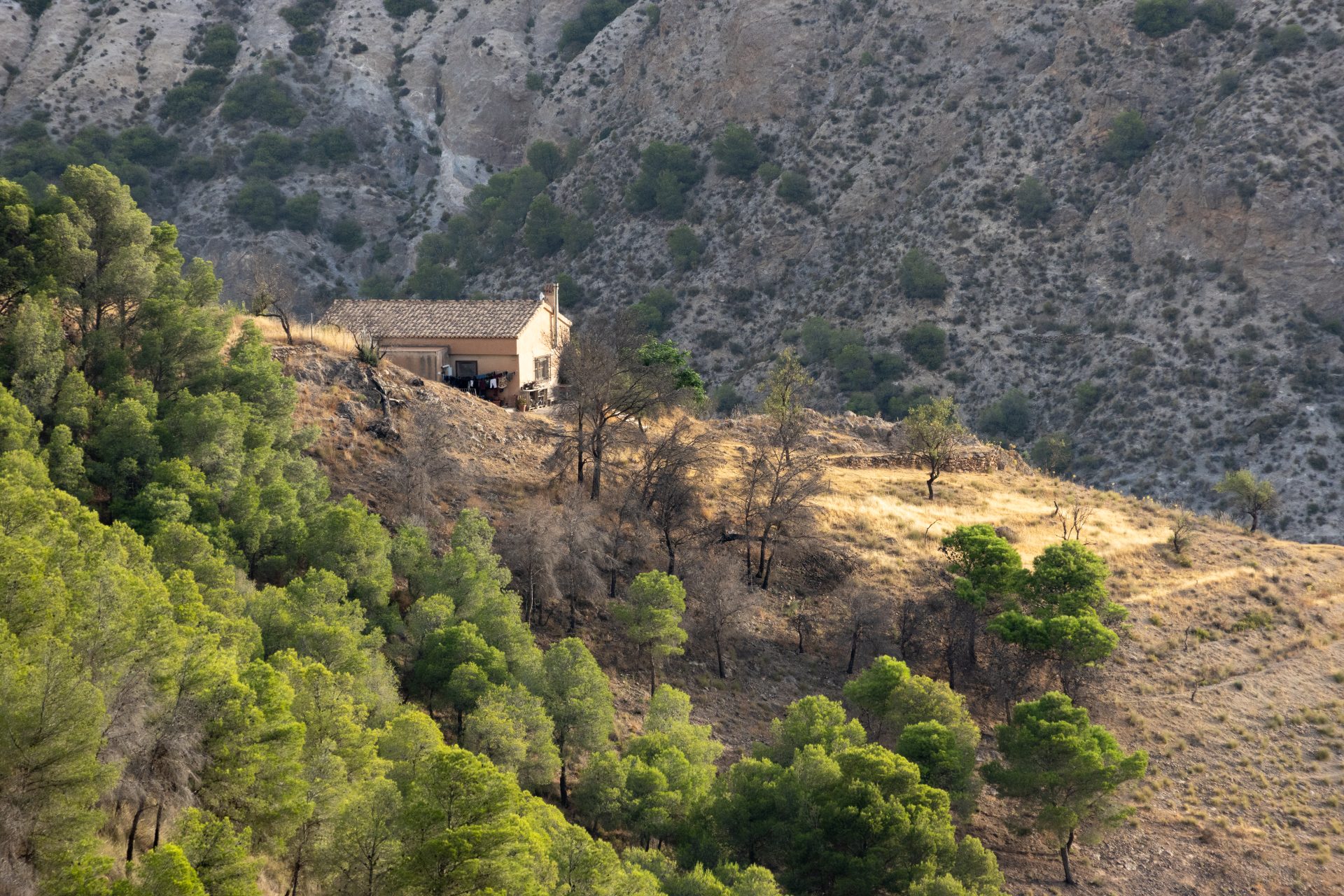
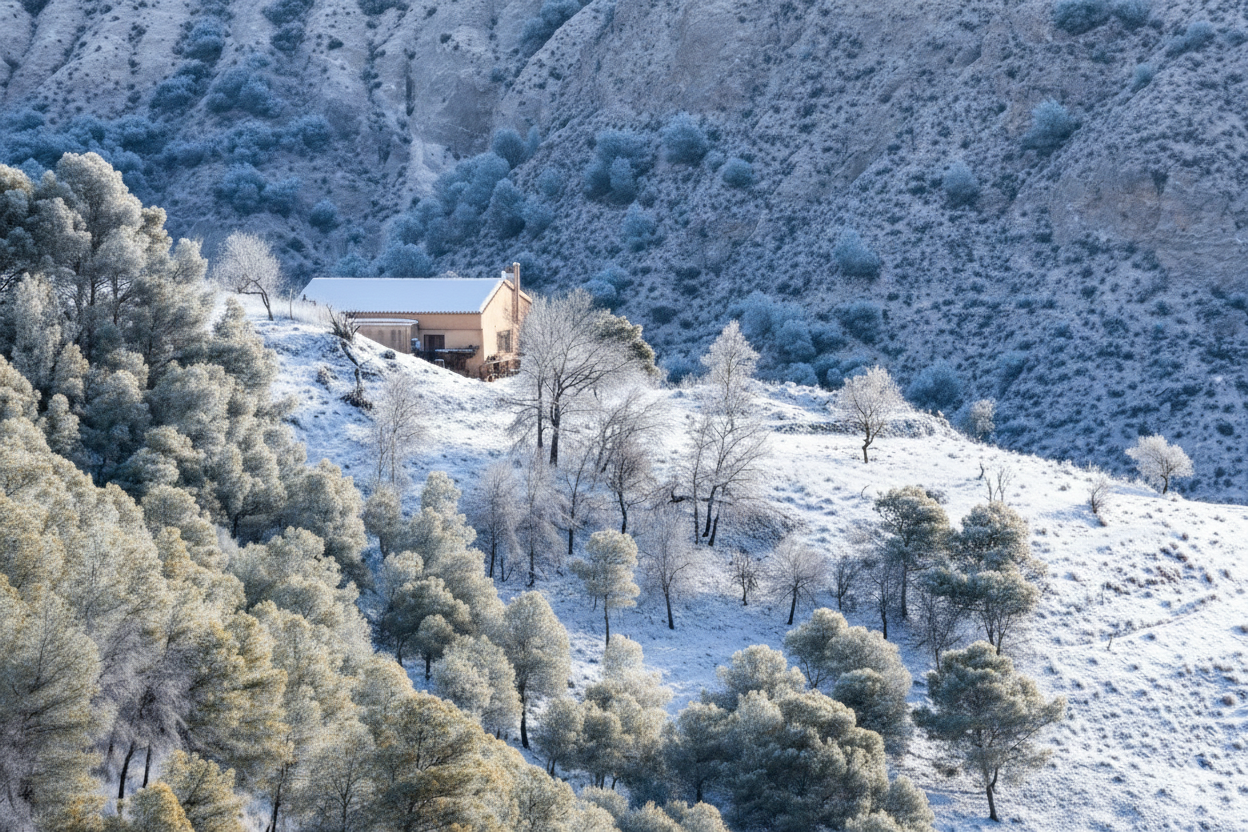
I asked Google’s Nano Banana image generator to make this a winter scene
>Make this a winter scene
And then to add a family, two adults and a small child walking away from the house at 75% of the way across the photo
> add a small family, two adults and a child walking from left to right near the isolated tree 75% of the way across the picture
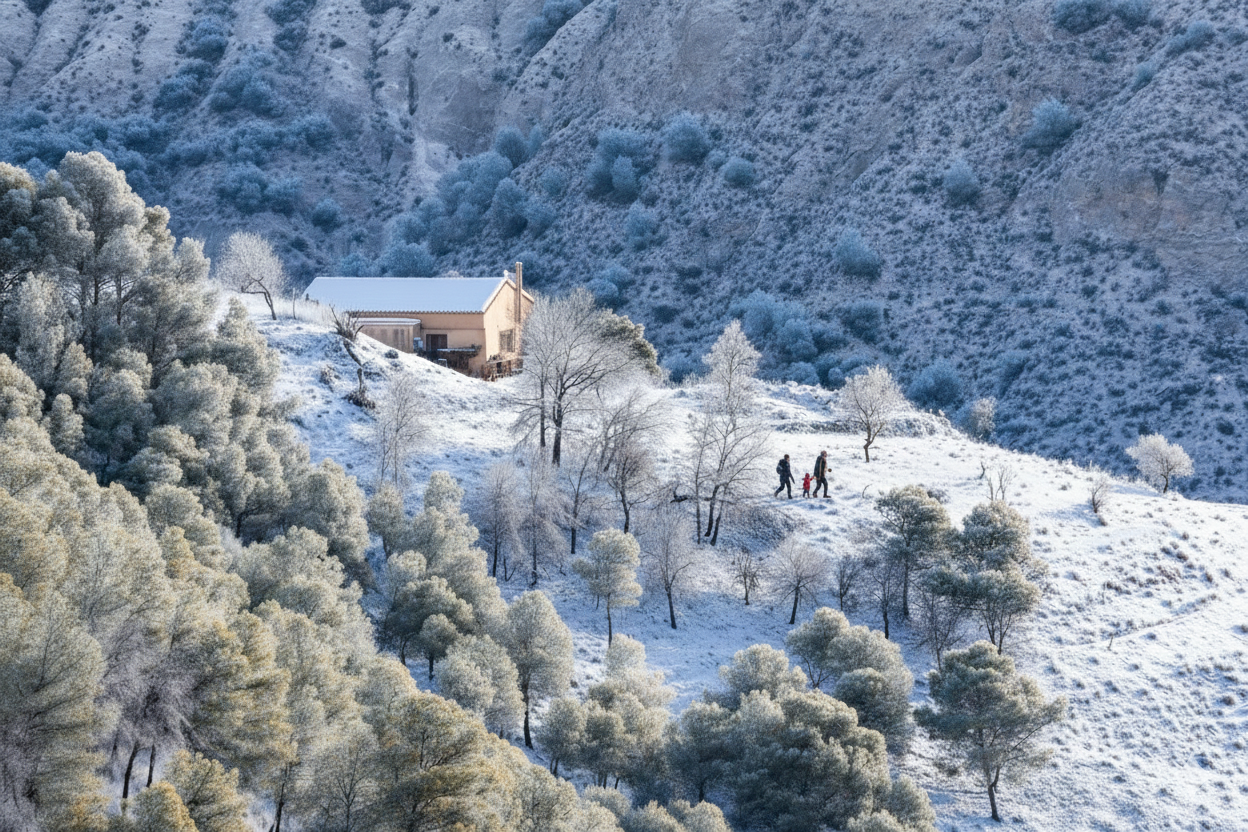
Now this is light years ahead of the Granada in the Rain image above. There is no way I could have done this myself other than shoot the picture in winter – the results are shockingly good. The realism of the snow scene is excellent even to the extent of the bluer shadows on the far side of the gorge. I could question the scale of the adults, they seem slightly large to me, but that would take a moment to fix.
So essentially, no contest. I can see the travel industry rubbing its hands with glee. How about product photography?
I fed Nano Banana another photo. This is a finished photo from an ad campaign I shot in Shropshire about ten years ago.
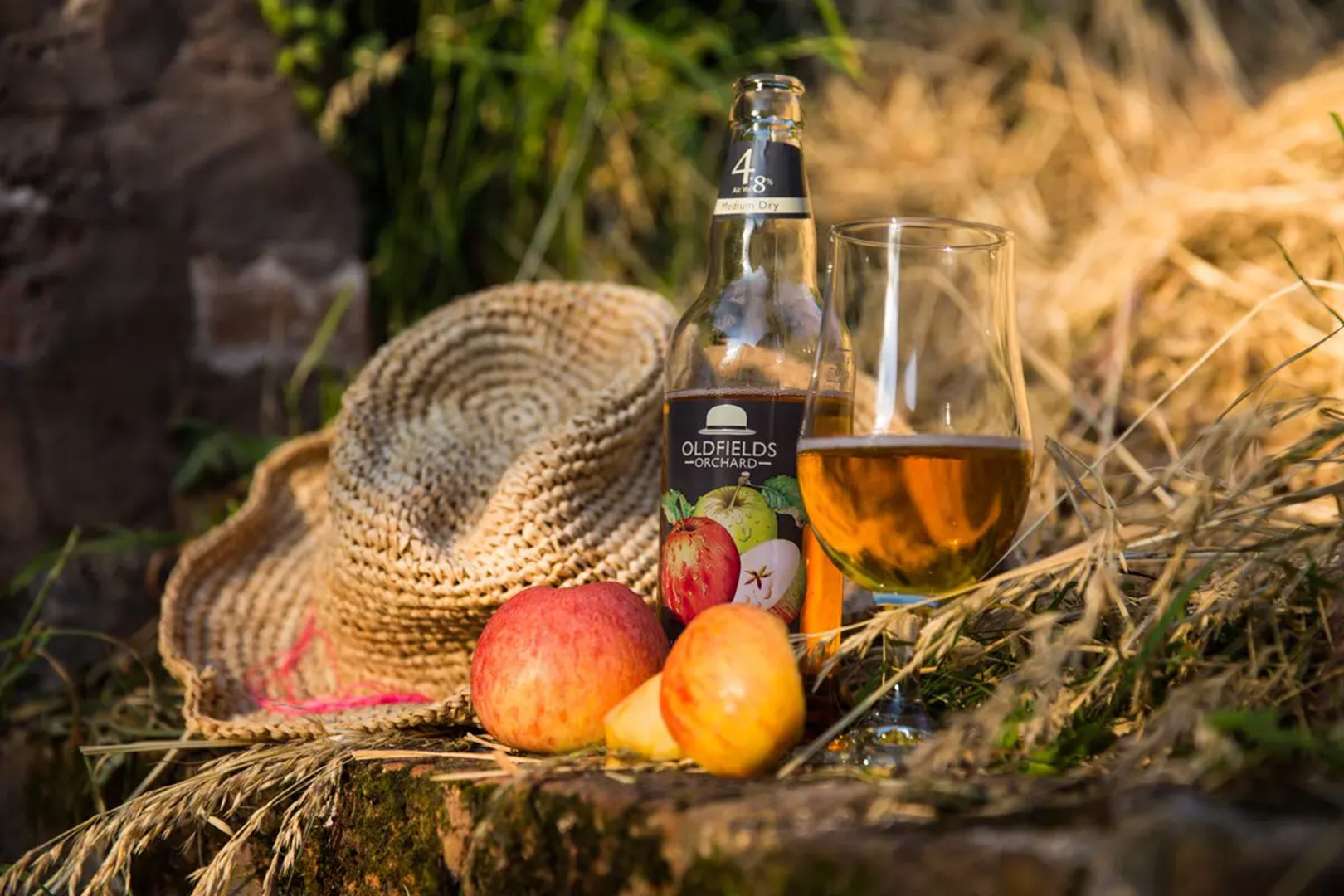
My prompting failed to get the AI to remove the light reflections from the bottle or the glass, so there are limitations to Google’s Gemini powered Nano Banana..
> Remove the reflections from the bottle of cider and the glass
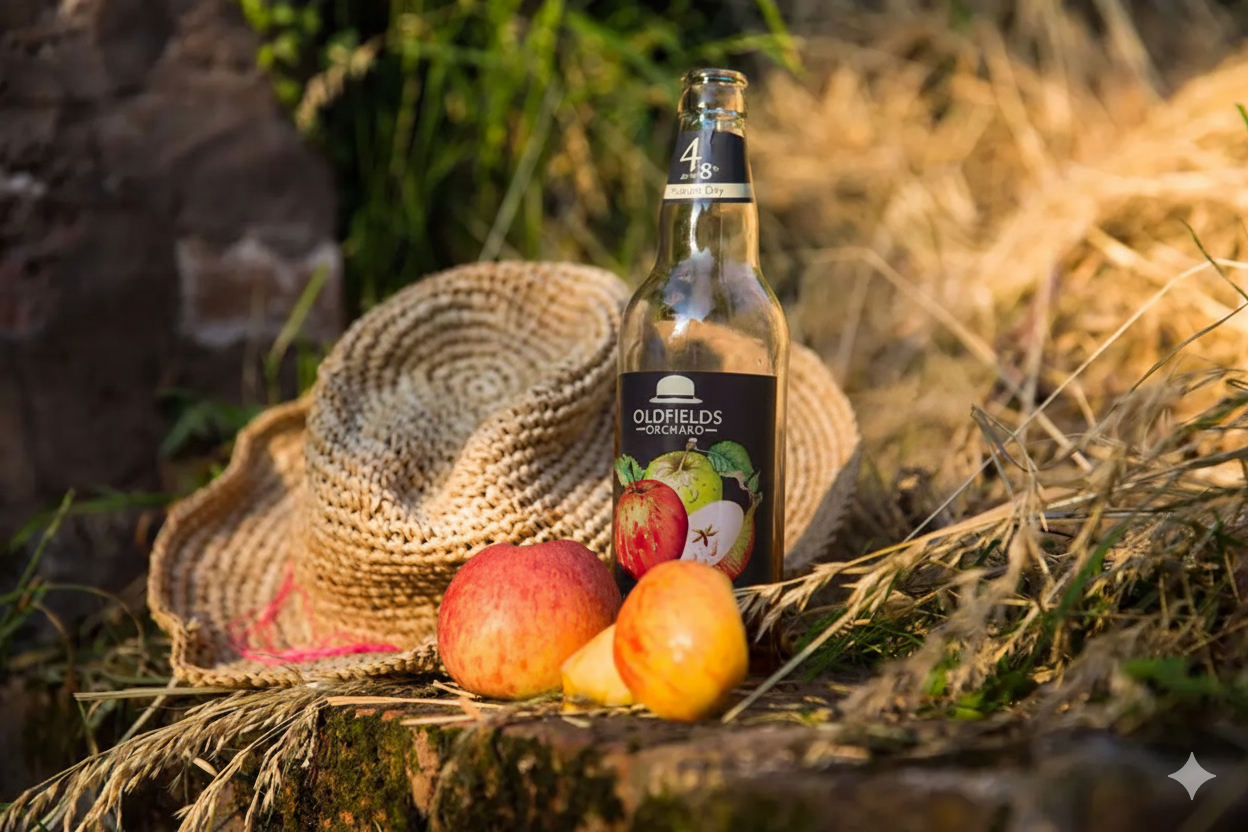
I’m pleased to see there is something that Nano Banana can’t do! However let’s try this in Photoshop..
>Remove the reflections from the glass
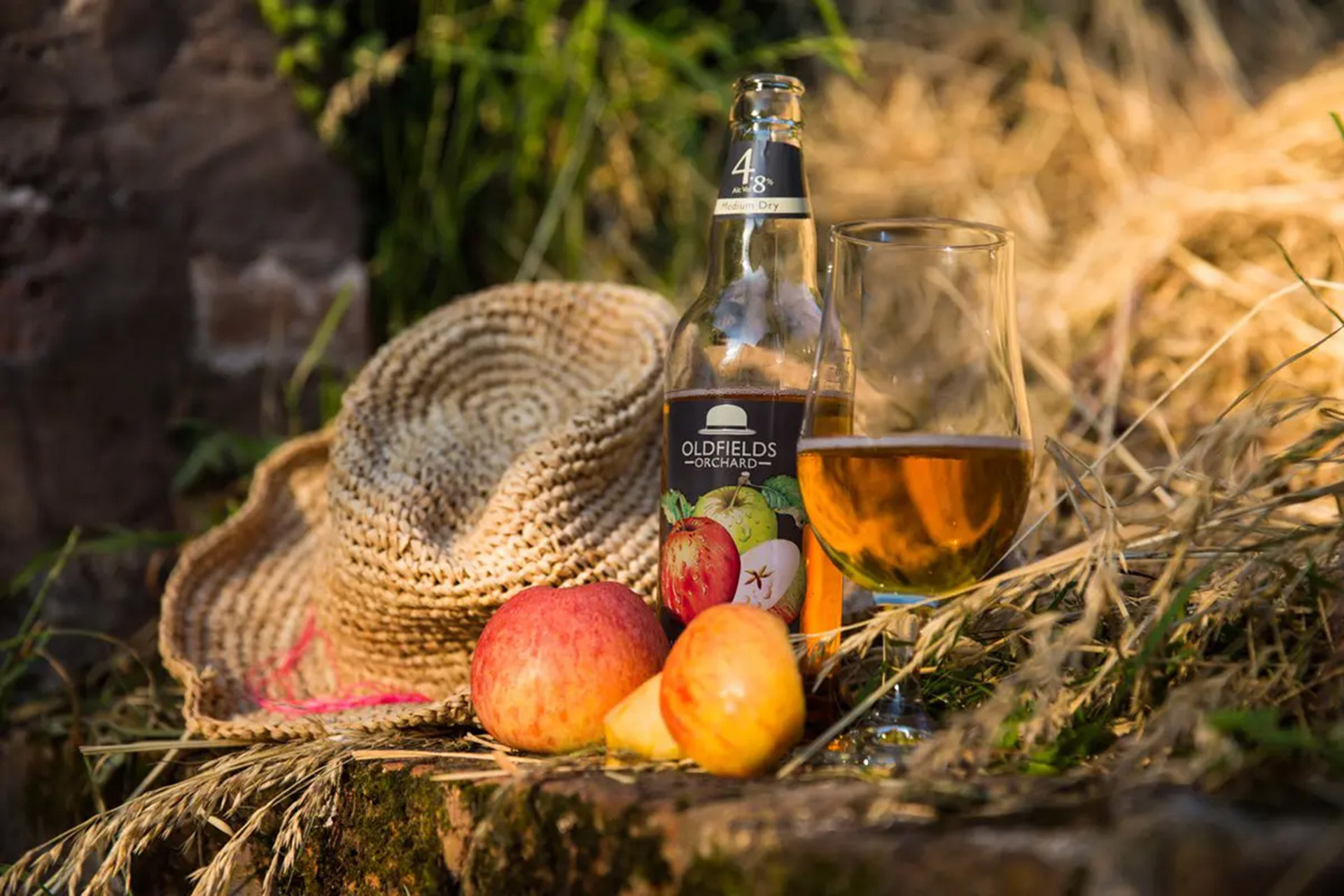
So Adobe Firefly can do this level of detail. And it’s going to get better.
Putting aside the argument that the glass does need some reflection to look realistic, this is not about whether I and other photographers can continue to make money shooting products, for me that was always a way of making money from my photography. But the focus is about technical prowess. The paradox is that AI can do the technical stuff, but not the connection stuff.
What we’ve seen in this simple demo is that AI in 2025, when used appropriately can do things as well as probably most photographers. But what about the human element?
What AI can’t do –
- In Landscape and Street Photography – Stand in a specific place at a specific moment and recognise that the moment matters
- In Photojournalism – Understand the cultural, emotional, or political gravity of what’s unfolding in front of the lens
- In Landscape and Documentary Photography – Make split-second decisions about composition based on what the image needs to say, not just how it should look
- In Portrait and Product Photography – Build the human rapport that allows a subject to reveal something
- In Photojournalism – Exercise editorial judgment – what story needs to be told and how
These are human inputs. Putting the bottle of cider in a bucolic setting with apples matching the label and shooting it from below was my idea, drawing on a look I’d developed called rural gothic it draws on the old fashioned view of cider – scrumpy, endless summers, harvest etc. that is part of the English culture. I knew it would resonate.
What seems to be happening in photography is a parting of the ways, on one side, the commodified, “good enough” AI-generated imagery that will probably eliminate certain income streams (stock photography, basic corporate headshots, simple product shots, etc.). On the other, a renewed appreciation for genuine craft, intent, and the irreplaceable human eye. This is why I make such a big deal of craft and intent in my photography.
We’ve been here before, repeatedly and in fact, little did we know at the time, it was the introduction of better, more affordable cameras that started the rot, technically good photography became accessible to all. But there is another side to this. When mass production became ubiquitous and lowered the price and perceived value of goods, handmade goods actually gained value and meaning. People started paying more for things made by human hands with skill and care.
For photographers, this could mean:
- Greater recognition of the unrepeatable moment, the decisive instant
- Increased value on technical mastery deployed in service of an artistic vision
- More appreciation for the photographer’s presence, relationship with subjects, and contextual understanding
- A clearer distinction between “image makers” and “photographers”
AI is disruptive. The painful part is the transition period – photographers who’ve built careers in areas that AI will undercut may struggle to pivot. But I think the division will ultimately force a reckoning with what we actually value about photography as an art form, versus photography as simple image production.
I’m fortunate to be at a point in my career where I really don’t care whether or not I shoot more products. I’ve diversified my income sufficiently to take up the slack. But it has made me think deeply about what I came into photography to do and the answer, for me, is all about craft.
In my photography career I made a virtue out of shooting difficult subjects, Glass, Architecture, Still lives etc. I did this initially because it was an obvious way to get to new customers in a very competitive field. I enjoy solving problems and that ultimately is what I do with my photography. I solve the problem of how to make a subject speak to the viewer. I don’t always get it right and some of my photographs can lack connection when the technical element has taken over but it is a journey for us all, and it doesn’t have an end point!
The conclusion I came to is that Generative AI is not for me. It is the antithesis of everything I want my photography to be. And I suspect that is also true of most landscape photographers. The irony of course is that becoming a better landscape photographer will inevitably lead to accusations of using AI in my photos!
So I want to say loudly and clearly – I do not use generative AI. (Except for the purpose of this article and the YouTube video) Nor will I ever. I completely understand why working photographers might use it to satisfy client requirements but it is commodification and that embracing AI is a pragmatic response to a new commercial challenge. However we should recognise the direction of travel and that as photographers we need to do more. To survive we need to be at least as competent technically and bring to bear all of the advantages that we have as sentient, intelligent beings.
The AI Photography Paradox
The AI photography paradox is that I don’t know a single photographer who asked for generative AI. Yet we’re all paying for it. This is what I mean by corporate burden. We’re being led into a future that we didn’t want and didn’t ask for.
To address the text of the original Kordan post. There’s a fundamental issue here that appears to have gone underneath the radar – who is it addressed to? If he’s talking to photographers, it’s never going to fly. If he’s talking to businesses then it makes marginally more sense. It becomes an appeal. “Don’t replace your photographer, augment what they give you with AI”. Sadly, It’s never going to happen. It’s not as if AI prompts are difficult to use, so any idea that a business will pay a photographer to treat their own images is for the birds.
So my position is still this. I will not use Generative AI in my photography. If I stand for anything I hope it’s craft. That is what gets me up in the morning and out into the landscape. I completely understand why influencers and content creators will embrace AI, but as a photographer I aspire to craft.